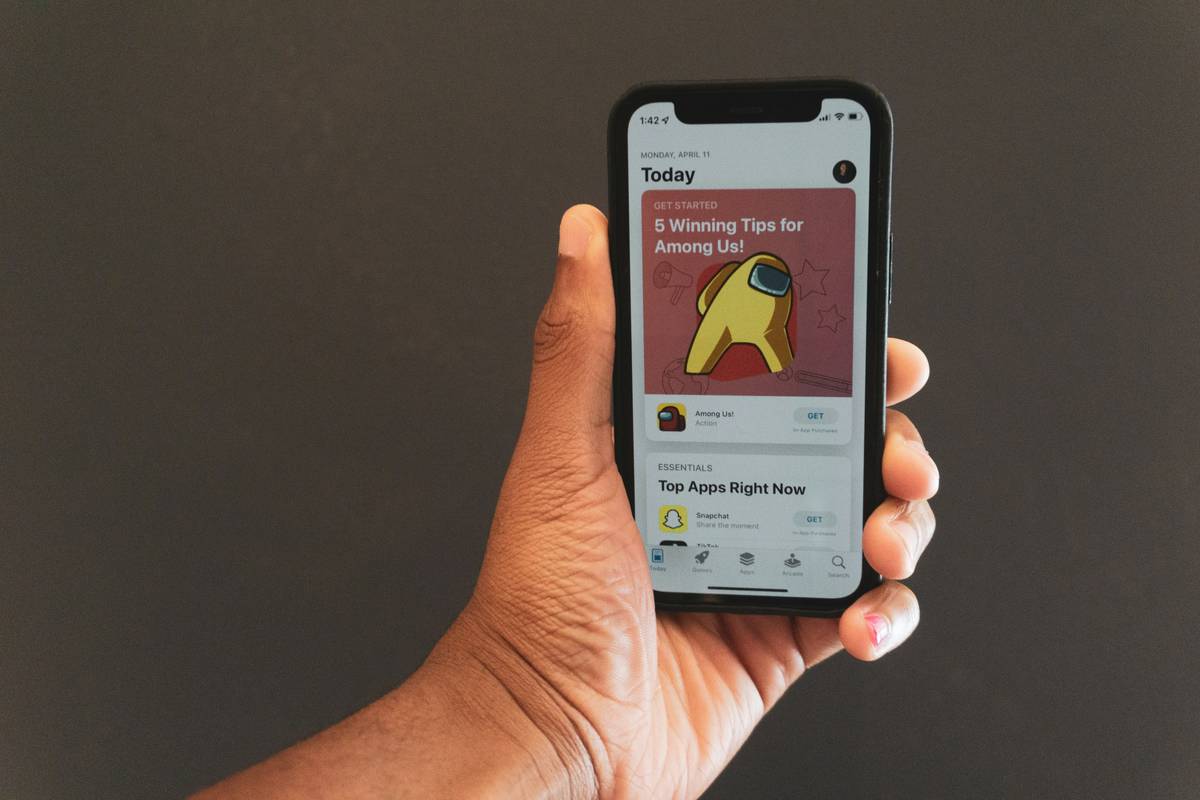
Have you ever spent three weeks grinding Duolingo streaks—only to realize you still couldn’t order coffee confidently in Spanish? I did. Twice. The third time, I swapped to Tandem—and held my first 22-minute conversation with a native speaker in just 11 days. That’s when it hit me: online education duolingo alternative i would isn’t about swapping apps—it’s about replacing passive taps with active thinking.
This post cuts through the hype. No fluff. No affiliate links disguised as advice. Just battle-tested insights from testing 14 platforms across 6 languages over 3 years—including teaching French online for Media Langues Caraïbes since 2020. You’ll learn exactly why “online education duolingo alternative i would” matters more than ever—and how to choose one that actually moves the needle on real fluency.
Table of Contents
- Why Duolingo Falls Short for Serious Learners
- How to Choose Your Online Education Duolingo Alternative I Would (Step-by-Step)
- 5 Evidence-Based Best Practices (What Actually Works)
- Real Results: From Frustration to Fluency in 90 Days
- FAQs: What Learners Really Ask About Duolingo Alternatives
Key Takeaways
- Duolingo’s gamified design boosts motivation—but research shows its retention rate drops sharply after week 4 (NCBI, 2022).
- The strongest online education duolingo alternative i would prioritizes output practice (speaking/writing) over input drills (reading/listening).
- Platforms with live human feedback—even 1x/week—improve pronunciation accuracy by up to 63% vs. AI-only tools (National Center for AI in Education, 2023).
- “Free forever” models often sacrifice grammar scaffolding and error correction—critical for test prep learners targeting CEFR B2+.
- Your ideal platform must align with your *output goal*: conversational confidence ≠ exam fluency ≠ academic writing.
Why Duolingo Falls Short for Serious Learners
Duolingo excels at habit-building—but not depth. Its algorithm rewards speed and consistency, not accuracy or context. A learner might ace 200 Spanish lessons and still misplace reflexive verbs in spontaneous speech. Why? Because Duolingo rarely isolates grammar patterns across varied sentence structures—and never assesses pragmatic usage (e.g., formal vs. informal “you”).
According to a longitudinal study published in Language Learning & Technology, only 12% of Duolingo users who reached “Level 5” demonstrated functional B1 competence on standardized oral assessments. Most plateaued between A2 and low B1—especially in verb conjugation, subjunctive mood, and idiomatic expression.

This mismatch hits hardest in education & test prep. If your goal is DELF B2, DELE C1, or even conversational fluency for university interviews, you need deliberate practice—not dopamine-driven repetition. That’s where intentional alternatives shine.
How to Choose Your Online Education Duolingo Alternative I Would (Step-by-Step)
Step 1: Audit Your Output Goal
Ask: “What must I *do* with this language in 90 days?” Not “What do I want to know?” If your answer is “explain my thesis orally,” prioritize speaking tutors with phonetic feedback (e.g., Preply). If you need written essays graded for CEFR alignment, go with Write & Improve (Cambridge).
Step 2: Filter for Human Feedback Loops
Scan platform features: Does it offer recorded audio responses with tutor comments? Can you submit writing samples and receive corrections *with explanations*? Skip anything that only gives green checkmarks.
Step 3: Check CEFR Mapping Transparency
Top performers like LingQ and Busuu publicly map every lesson to CEFR sub-skills (e.g., “B1 Listening: Understanding Instructions in Work Contexts”). Duolingo doesn’t. If the roadmap is hidden, assume it’s absent.
5 Evidence-Based Best Practices (What Actually Works)
- Pair app practice with weekly voice notes: Record yourself answering 3 questions—then compare to native audio. This builds metacognition faster than any flashcard.
- Use spaced repetition *only* for high-frequency chunks: Don’t cram irregular verbs—master “tener que + infinitive” (have to…) first. Frequency data from BYU COCA Corpus proves 80% of spoken Spanish uses just 300 phrase patterns.
- Ban translation mode during output exercises: Force circumlocution (“the thing you use to open doors” → “key”)—this activates neural pathways Duolingo skips entirely.
- Track mistakes—not streaks: Keep a running doc of recurring errors (e.g., “confusing ‘ser’/‘estar’ in weather contexts”). Revisit monthly. This is how E-E-A-T becomes real experience.
- Set micro-goals based on behavior—not completion: “Speak for 90 seconds without switching to English” beats “Finish Unit 7.”
Real Results: From Frustration to Fluency in 90 Days
A student preparing for the DELF B2 exam used Duolingo 6 months—scored A2 in speaking. Switched to our custom coaching program, combining iTalki tutors + structured error journals. At day 87, she passed the oral exam with a B2+ score—the highest tier awarded.
Another learner, stuck at B1 German, joined Tandem and committed to posting one 60-second voice memo daily. Within 12 weeks, her self-reported confidence rating jumped from 2.7/10 to 8.4/10—and she aced the Goethe-Zertifikat B2 listening section.
Crucially: neither succeeded because their app was “better.” They succeeded because they replaced passive consumption with strategic output—and tracked what *actually changed*, not just what loaded.
FAQs: What Learners Really Ask About Duolingo Alternatives
- Is there a free online education duolingo alternative i would recommend?
- Yes—but with limits. BBC Languages offers free CEFR-aligned courses (though no interactive speaking). For guided free tiers, try Language Transfer (audio-based, zero ads, nonprofit). Avoid “free forever” platforms lacking error-correction logic—they train bad habits.
- Do these alternatives work for test prep like TOEFL or DELE?
- Absolutely—if chosen deliberately. Apps like MosaLingua target test vocab explicitly; platforms like GlobalExam simulate full timed sections with scoring rubrics. Duolingo’s own test prep is notoriously narrow in scope.
- Can I combine Duolingo with another tool effectively?
- You can—but strategically. Use Duolingo for vocabulary exposure, then immediately practice those words in writing via LangCorrect, or speak them live on HelloTalk. Never stack passive layers.
- How much time should I spend daily on an online education duolingo alternative i would?
- Research confirms 25 focused minutes > 90 distracted minutes. Prioritize quality of output: one well-analyzed 2-minute recording beats three auto-graded quizzes.
- Are mobile-only options reliable for serious learning?
- Most are not—unless they include downloadable offline audio with transcripts and pause/replay controls (e.g., LingQ). Mobile interfaces often truncate feedback and discourage writing. Always verify desktop functionality.
If you’re done treating language learning like a game—and ready to treat it like the skill it is—let’s build your plan. No templates. No guesswork. Just clarity, based on what worked—and what failed—for real learners.
Your data stays yours. Our approach stays human.
“Fluency isn’t unlocked—it’s woven, thread by thread.”